
10 September 2026
Proof, Not Just a Good Story: Building a Product Digital Passport and an Artisan Digital Passport
How I helped a forest-to-doorstep heritage food brand turn a beautiful social-media narrative into checkable evidence — an EUDR-aligned Product Digital Passport and a UNESCO-inspired Artisan Digital Passport, plus the field systems that keep them true.
Tribalveda works the complete value chain of India’s wild forest fruits — jamun, phalsa, bel, ash gourd, amla and more — from the tree in the forest to the customer’s doorstep. Thousands of tribal women, dozens of villages, decentralised processing, and a story told beautifully on social media for years.
Then came the question that stops many good brands at the border: when you want to sell into regulated international markets, can you prove it?
The trust gap
Domestic customers buy the story. An EU buyer, a certifier or an impact fund does not. They ask a different question: show me the plot, the date, the person, the consent, the batch — and show me it can be checked without taking your word for it.
A brand can have genuine grassroots work and still fail that test, simply because the evidence lives in photographs, WhatsApp groups and people’s memories rather than in a system. That was the gap I was brought in to close.
Two passports, one journey
We built two linked records instead of one, because buyers ask two different questions.
1. The Product Digital Passport — follows the fruit
Which forest, which tree, which batch; how it was harvested, processed, tested and packed. This one is built to the EU Deforestation Regulation (EUDR) and the direction of the EU Digital Product Passport, which rests on four blocks:
- Geolocation — every batch traces to GPS coordinates of the exact plot, a point for small areas and a polygon for larger ones.
- Deforestation-free — the plot shows no forest loss after 31 December 2020, evidenced by satellite imagery or forest records, not a statement that “it is community forest.”
- Legality — land use, labour and community rights, including recorded Free, Prior and Informed Consent from village and SHG leadership.
- Due diligence statement and risk rating — product, quantity, origin plot and a documented risk judgement, with more verification where risk is higher.
2. The Artisan Digital Passport — follows the people
Which forager, which household, which traditional knowledge sits behind the harvest. This one draws on UNESCO’s intangible cultural heritage safeguarding principles, and rests on three ideas:
- The forager is a heritage-holder, not just a supplier — so every household visit opens with a plain-language explanation and a signed or witnessed consent record.
- Document the knowledge, not only the person — harvest technique, seasonal and forest knowledge, how the practice passed down the family, and household context.
- Safeguarding means keeping it alive, not freezing it — stories are revisited as the relationship grows, not collected once.
Together they answer the two questions a conscious international buyer actually asks: What am I buying? and Who am I supporting?
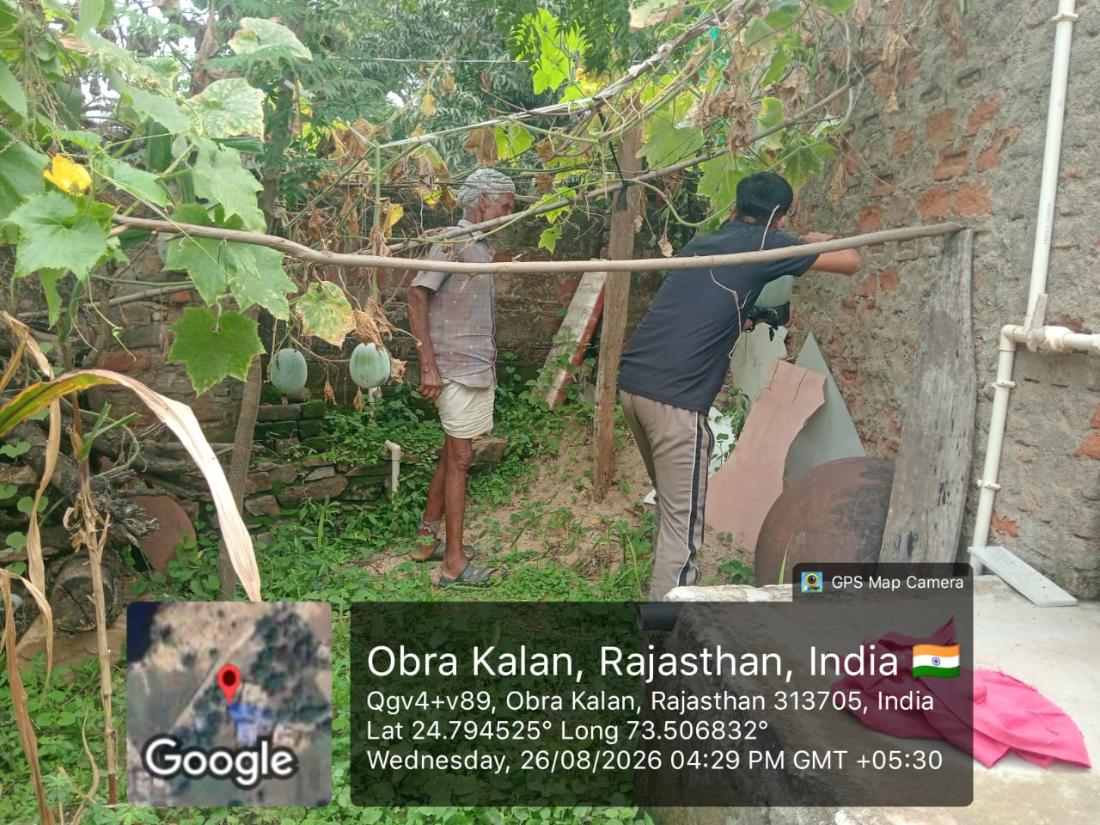
From tree to doorstep, in eight steps
- Forest plot and tree geo-tagging
- Forager household registration, with consent
- Harvest event logging — the link between tree, person and batch
- Aggregation and transport
- Processing
- Quality and compliance checks
- Packaging and QR generation — the moment the passport goes live
- The customer scans and sees origin, people and impact in ten seconds
Lose the link at any one of those steps — most often between collection and processing — and the whole passport breaks. That is why the system matters more than the software.
What I actually did
- Mapped the standards to the field reality — translated EUDR and UNESCO safeguarding language into tasks a field officer can do on a phone in a forest.
- Designed the two passport data models — what is captured, by whom, at which step, and how forager ID, plot ID and batch ID stay linked end to end.
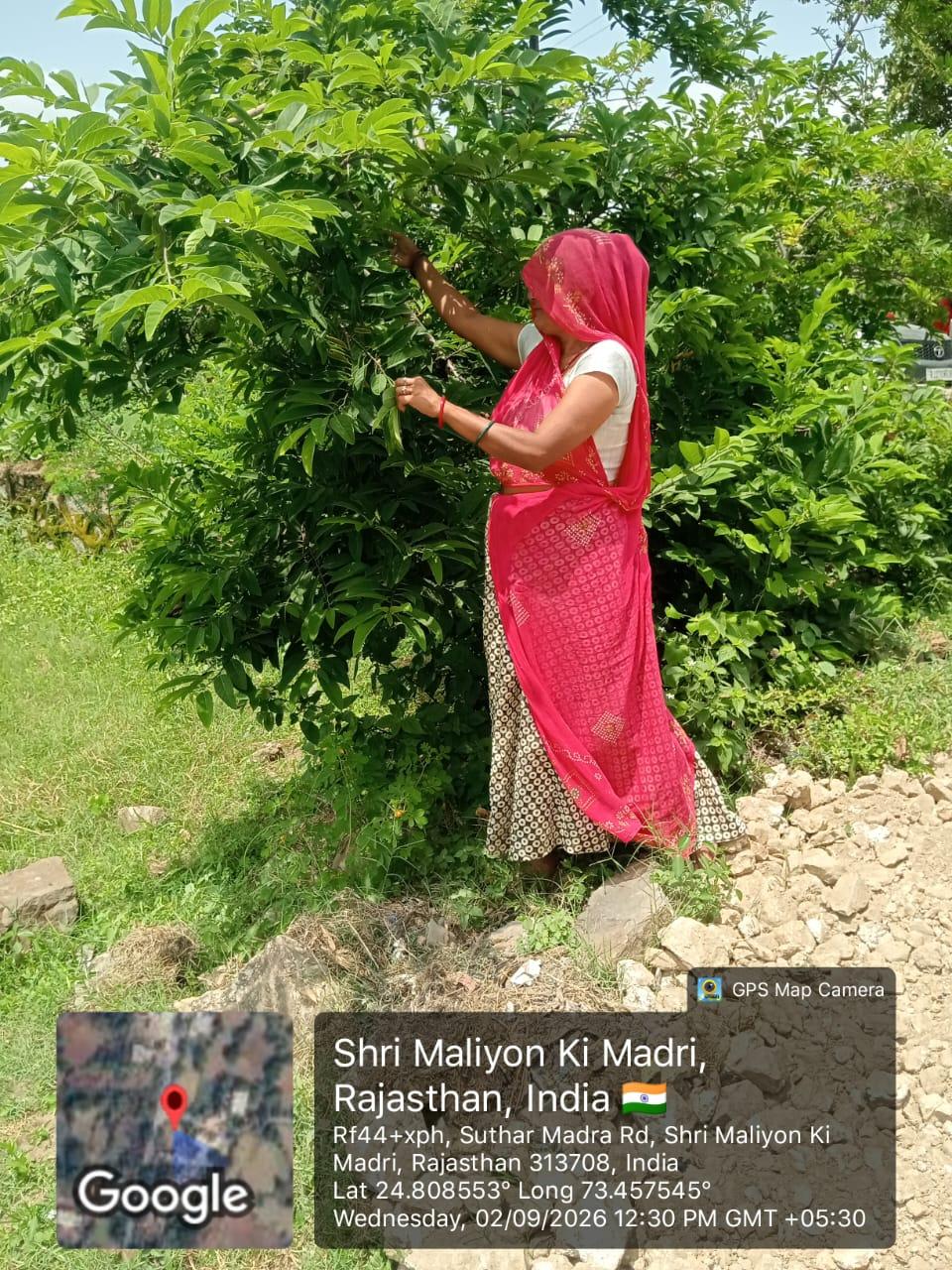
- Trained the field team — a full session on what good field data looks like: GPS accuracy checked on site, photos clear, dated and permitted, every entry tied to both a forager ID and a plot ID, story notes in the forager’s own words.
- Named the failure modes — village-average GPS instead of the actual tree, consent treated as a friendly chat, batch links dropped at aggregation, stories collected once and never revisited.
- Built the monitoring discipline — documentation review routines so gaps surface in weeks, not during a buyer audit.
The lesson for founders
A strong narrative gets you attention. Evidence gets you market access. The two are not in conflict — a digital passport is simply the story, organised so that someone who has never met you can verify it in seconds.
If your impact is real but your documentation lives in photo galleries and memory, that is a fixable problem. It is usually a systems and training problem before it is a technology problem.
Published with the brand’s permission. Photographs are from field documentation work.
← Back to all posts